
Happy Fishing | nice ph48 Fishing Guide
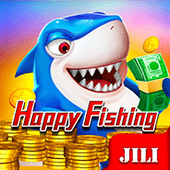
Happy Fishing is a cannon-and-catch arcade title on the nice ph48 fishing shelf: you pick a weapon tier, aim at moving targets, and collect multiplier payouts when a shot lands. This guide explains how the round flows, what to verify before spending, and how a short session stays inside a fixed budget.
More fishing titles on the same shelf

What is Happy Fishing and how do you start?
Happy Fishing is a real-time fishing shooter where each shot costs a selected cannon tier and successful hits pay according to the target multiplier shown on screen. To start safely, open the in-game help panel, note the minimum and maximum stake, pick the lowest weapon you are comfortable testing, and set a session budget before the first wave arrives. A Happy Fishing Demo or practice mode, when available through the platform, lets you learn aim timing without treating short results as proof of long-run performance.
The round is action-led rather than reel-based: schools move across the canvas, special fish carry higher multipliers, and boss waves can appear on a timer. None of that replaces reading the active rules panel, because stake contribution, event eligibility and withdrawal conditions still come from the account area rather than the arcade screen alone.
Key traits that define Happy Fishing on mobile
Arcade fishing titles look similar at a glance, yet the useful differences sit in weapon scaling, target density and how bonus waves interrupt ordinary pacing. The list below compares what players usually notice first when moving from a catalog thumbnail to the live table.
Weapon tiers raise the cost per shot and usually increase payout potential on high-value targets. Start on the lowest tier until you understand how often shots miss during crowded waves.
Special targets display visible multipliers. Chasing only the largest fish with an oversized cannon can drain a small budget quickly if aim timing is still unfamiliar.
Timed boss appearances concentrate reward opportunity and visual noise at the same moment. Decide in advance whether your budget covers the higher fire rate those windows encourage.
The help screen should show active minimums, maximums and any room-specific limits. Treat that panel as part of the game identity check, not as optional fine print.
If you are comparing arcade pacing with reel-style entertainment, the Cowboys detail page shows how a hot-shelf slot record is reviewed with the same evidence-first method.
Reading return figures for Happy Fishing sessions
Return-to-player language is borrowed from long-run statistics; in a fishing shooter it still describes expected value over many rounds, not a promise for the next minute of firing. Treat any published percentage as context for comparison, not as a personal forecast.
Players researching nice ph48 Happy Fishing should also read promotion terms before assuming a coupon improves expected value. A nice ph48 coupons headline may require qualifying deposits, turnover multiples or excluded categories; the practical value depends on the full condition set, not the percentage alone.
Check live Happy Fishing rulesVisual theme and session rhythm inside Happy Fishing
Bright underwater palettes, fast target movement and short reward feedback loops make the title feel livelier than slower reel games. That energy is enjoyable when the clock and budget are fixed in advance.
Color and readability
High-contrast fish silhouettes and multiplier labels help mobile players track targets without zooming. If text or stake controls look smaller than on other nice ph48 titles, pause and adjust device brightness or font scaling before increasing cannon tier.
Pacing and attention
Ordinary waves encourage steady tapping, while boss windows compress many decisions into a few seconds. A session plan should include a stop rule for those spikes, especially on a commute or shared screen.
Sound and feedback
Hit confirmations and wave alerts can make losses feel smaller and wins feel larger than they are numerically. Use the platform volume controls if audio pulls you into extra shots after your planned budget is spent.
Session tips that fit the Happy Fishing cannon loop
Skill-based appearance does not remove house edge or variance. These habits keep the entertainment label honest while you learn the weapon ladder.
- Anchor the budget first: decide the amount and minutes before opening the room. When either limit is reached, leave even if a boss wave is still active.
- Match cannon to target size: oversized weapons on low-multiplier schools spend balance faster than most players expect during the first five minutes.
- Record one variable at a time: if you test a higher tier, keep session length stable so the result reflects the tier change rather than fatigue or distraction.
- Verify the loaded title: confirm the icon and name read Happy Fishing in the live header. Catalog thumbnails are useful, but the active screen is the final identity check.
- Pair arcade play with table context: when you want a slower format for comparison, read the Cricket Ball Roulette guide and note how stake visibility differs from a fishing room.
Side-by-side choices before you commit to Happy Fishing
Pick the comparison row that matches your immediate question, then follow the linked route instead of mixing several goals in one unfunded session.
Responsible play still applies to arcade formats: set limits, avoid chasing losses, and treat every shot as paid entertainment rather than a recovery tool.